The idea that a collection of microorganisms living in your intestines might influence your mood, anxiety levels, or risk of depression would have seemed improbable to most clinicians a generation ago. Today, it is among the most intensely studied topics in translational medicine. The gut-brain axis — a complex, bidirectional communication network linking the enteric nervous system with the central nervous system — has emerged as a critical mediator of mental health, and the microbiome that populates the gut plays a central regulatory role within it.
Anatomy of the Gut-Brain Connection
The gut houses the enteric nervous system — approximately 500 million neurons lining the gastrointestinal tract, a neural density that has earned it the designation "second brain." The vagus nerve provides the principal anatomical highway between gut and brain, transmitting signals in both directions with approximately 90% of its fiber traffic running afferent — from gut to brain, not brain to gut. This polarity is significant: it means the gut is, in a meaningful physiological sense, continuously informing the brain about its state.
Microbiome-brain communication occurs through multiple overlapping channels: direct vagal signaling, modulation of the hypothalamic-pituitary-adrenal stress axis, synthesis of neuroactive metabolites including short-chain fatty acids (SCFAs), regulation of tryptophan metabolism and serotonin production, and immune signaling through cytokine release.
The Microbiome–Depression Link
A landmark 2019 study published in Nature Microbiology analyzed gut microbiome composition and mental health data from 1,054 individuals in the Flemish Gut Flora Project. The researchers identified two microbial genera — Coprococcus and Dialister — that were consistently depleted in individuals with depression, even after controlling for antidepressant use (which itself affects microbiome composition). The same organisms showed positive correlations with mental quality-of-life scores, a pattern independently replicated in a separate Dutch cohort.
These bacteria produce butyrate, a short-chain fatty acid with potent anti-inflammatory and neuroprotective properties. Butyrate serves as the primary fuel source for colonocytes, maintains intestinal barrier integrity, and crosses the blood-brain barrier where it inhibits histone deacetylases — epigenetic enzymes linked to neuroinflammation and depressive behavior in animal models.
Stress, the Microbiome, and the Inflammatory Cascade
Psychological stress significantly alters microbiome composition — and the changes are not benign. Acute and chronic stress reduces microbial diversity, suppresses populations of beneficial Lactobacillus and Bifidobacterium species, and promotes intestinal barrier disruption ("leaky gut"). A compromised intestinal barrier allows bacterial lipopolysaccharides (LPS) to translocate into circulation, triggering systemic low-grade inflammation that is increasingly recognized as a central mechanism in treatment-resistant depression.
This creates a self-reinforcing cycle: stress dysbioses the microbiome, dysbiosis increases intestinal permeability, permeability-driven inflammation worsens mood, and worsened mood amplifies stress — a loop that no single intervention point can fully address.
Evidence-Based Dietary Approaches
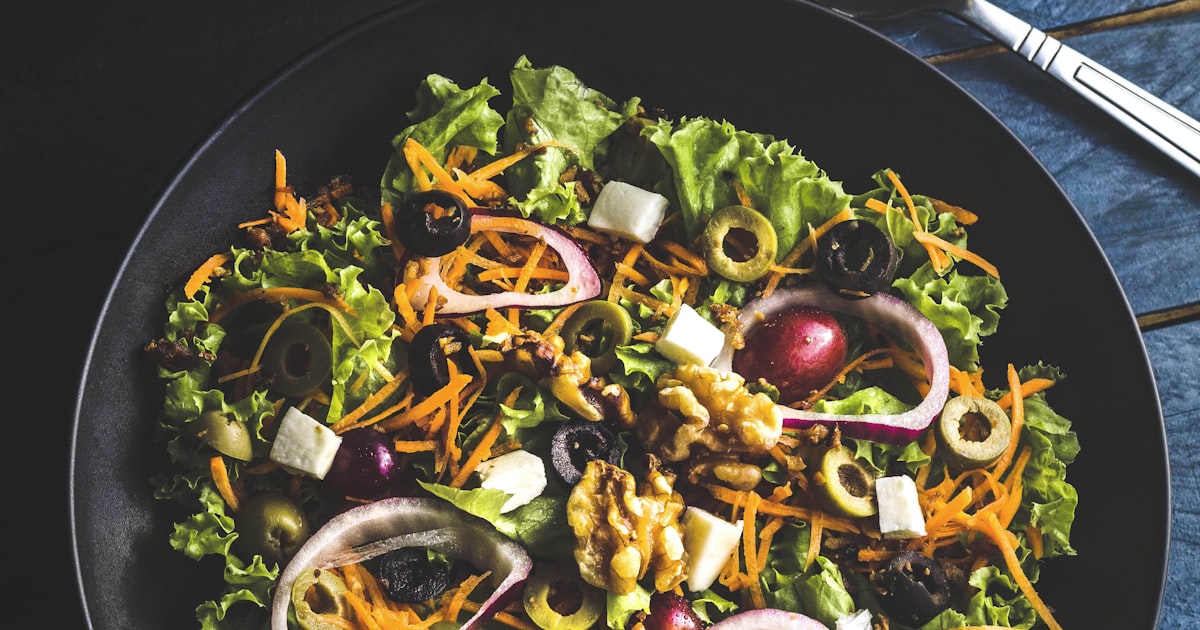
The dietary patterns most strongly associated with microbiome diversity and mental health resilience share several consistent features: high fiber from diverse plant sources (the primary substrate for SCFA-producing bacteria), regular fermented food consumption (kefir, yogurt, kimchi, sauerkraut), and limited ultra-processed food intake. A 2022 randomized trial by Jacka and colleagues demonstrated that dietary improvement following a Mediterranean-pattern intervention produced significant reductions in depression scores over 12 weeks — with improvements correlating with specific microbiome compositional changes.
Probiotic supplementation, while mechanistically plausible, currently has more modest and inconsistent evidence in clinical populations. Multi-strain preparations emphasizing Lactobacillus and Bifidobacterium species show the most consistent benefit in subclinical anxiety and mood disturbance, but standardization challenges make generalization difficult.